

Here is what this newsletter covers
The Infrastructure Pivot: how AXA became France’s #1 most-considered insurer by changing a contract, not just running a campaign
Why “and domestic violence” became the 3 most valuable words in French insurance
The 4-part playbook that turns sunk-cost infrastructure into a moat competitors cannot copy overnight
TSB, BCP, and Suncorp: three more brands, three industries, the same move, all recognized at Cannes 2026
Where this exact strategy has failed, from Starbucks to Pepsi, and the one condition that separates the wins from the wreckage
The diagnostic questions that tell you whether your business is sitting on an Infrastructure Pivot right now
The signal hiding in plain sight: why a campaign that keeps winning awards may already be finished as a growth engine
The most awarded ad in France added 0 new products
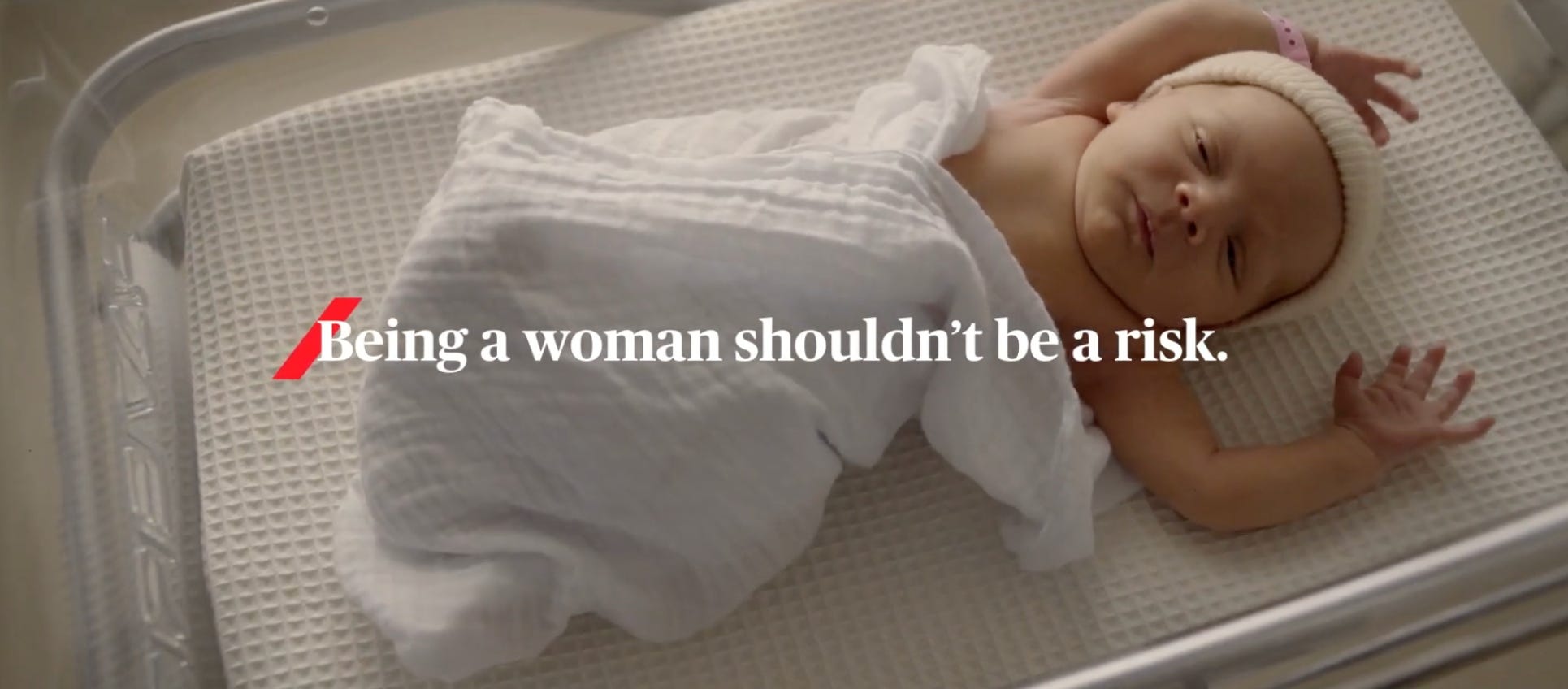
Screenshot from youtube ad here.
On June 25, 2026, AXA France won the Creative Effectiveness Grand Prix at Cannes Lions.
Here is the part that should stop you.
The campaign that won had already taken the Titanium Grand Prix a year earlier, in 2025. No campaign in the history of the festival had ever won Titanium and then come back the next year to win Effectiveness. This was the first.
And the “campaign” was three words.
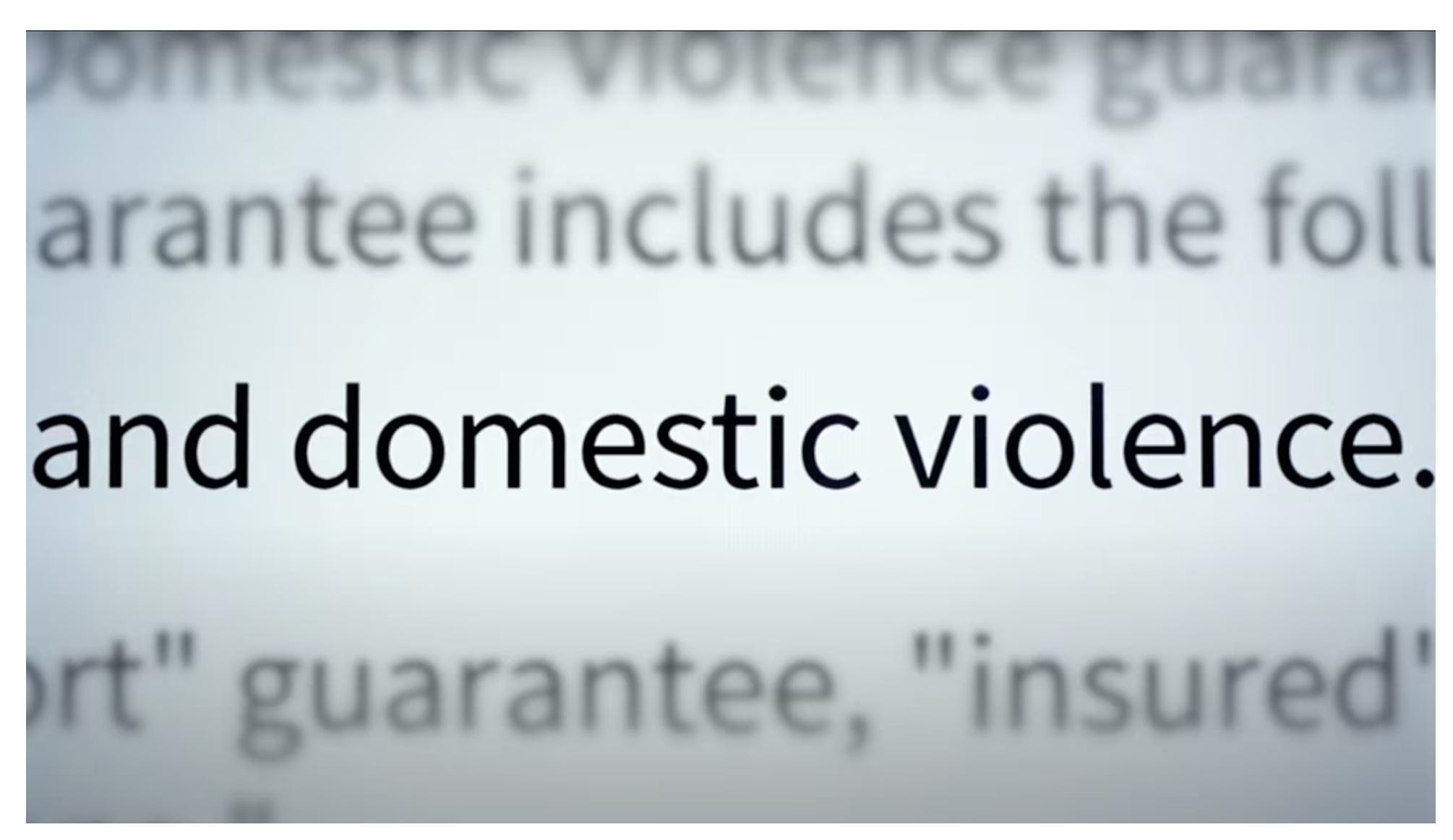
AXA added “and domestic violence” to the list of events its home insurance covers. That single edit made abuse a covered housing catastrophe, the same category as fire and flood. When it triggers, it unlocks emergency relocation, psychological support, and legal help. Automatic. Retroactive. Free.
No new product launched. No premium increase.
AXA updated 3.4 million existing contracts overnight, covering roughly 2.5 million households, and every one of those policyholders woke up with coverage they did not have the day before.
Then the business results came in.
Brand consideration climbed from 43% to 67%, and AXA rose from the #2 to the #1 most-considered insurance brand in France. New contracts rose 9.1% over six months against the prior year. The home insurance landing page pulled 135,000 visits in a single month.
3 words. The top spot in brand consideration. Marketing’s highest effectiveness honor.
That is not a communications win. That is what happens when a brand stops talking about a problem and repurposes what it already owns to solve it.
I call this the Infrastructure Pivot.
Prefer to watch? The full breakdown of the Infrastructure Pivot is on YouTube.
Watch the 8-minute breakdown →
The Infrastructure Pivot, defined
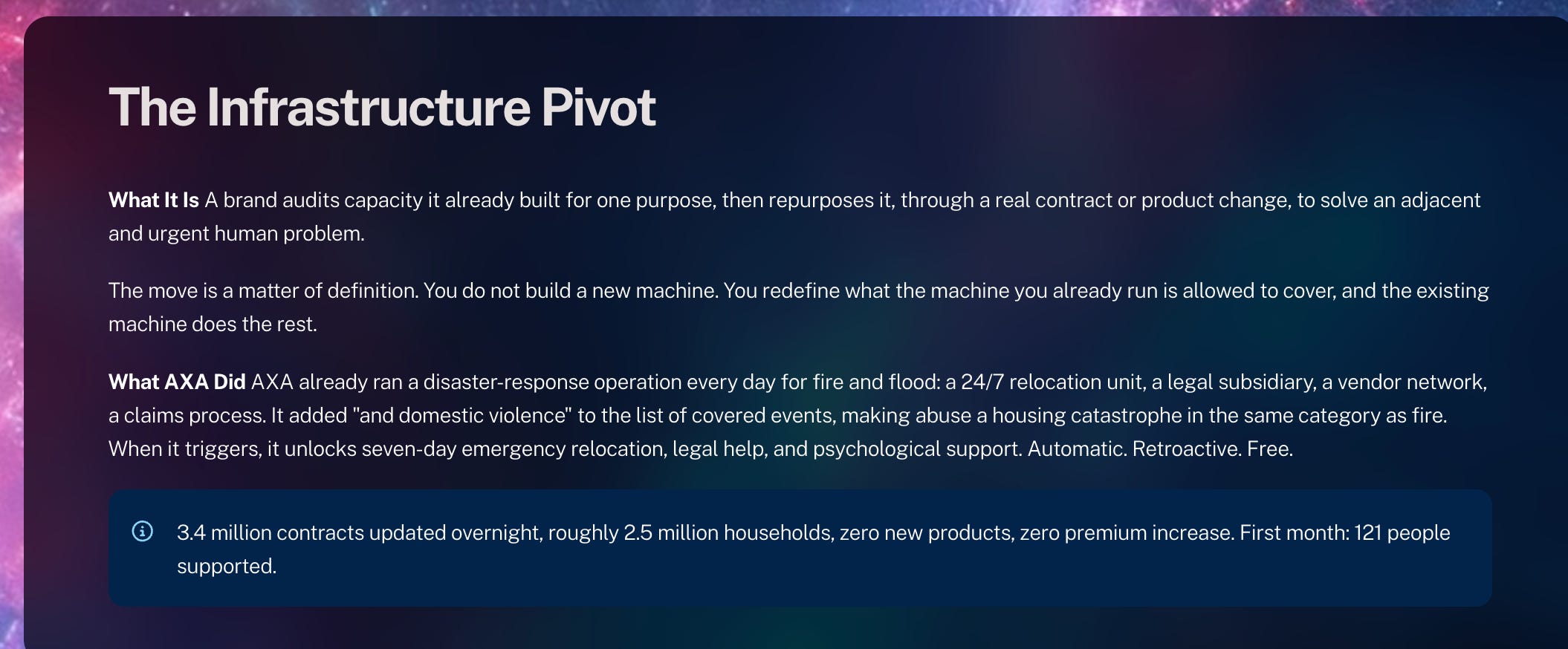
The Infrastructure Pivot is when a brand audits capacity it already built for one purpose, then repurposes it, through a real product or contract change, to solve an adjacent and urgent human problem.
The move is a matter of definition.
AXA did not build a new rehousing operation. It already had one, running every day for fire and flood claims: a 24/7 relocation unit, a legal support subsidiary, contracts, and a claims process. The innovation was recognizing that this machine could absorb a second kind of catastrophe.
So AXA changed the definition of what counts as a covered disaster, and the existing machine did the rest.
Here is why that matters strategically.
A competitor can copy a tagline by Friday. A competitor cannot copy sunk-cost infrastructure by Friday. AXA’s advantage is the thing it spent decades and millions building. That is the moat.
Rory Sutherland has a phrase for why this works on the human side: the psycho-logic of costly signals.
A message is believable in proportion to how expensive it is to send. Anyone can post a domestic violence awareness graphic. It costs nothing, so it signals nothing. Rewriting 3.4 million legal contracts and standing behind the payouts is expensive, irreversible, and hard to fake. The cost is the credibility.
The reader feels the difference without being able to name it.
The playbook runs in 4 parts:
Part 1: Audit the idle asset. Find operational capacity you already run for its original purpose. Branches. Terminals. Data. A dispatch unit. A logistics network.
Part 2: Map it to a verified human need. Find a specific, data-backed problem that your existing capacity already fits. Not a cause you like. A need your machine can actually serve.
Part 3: Make it default, not opt-in. Automatic inclusion, retroactive where possible, at no extra cost. An opt-in add-on is a product. A default is a statement about who you are.
Part 4: Get cross-departmental buy-in. Legal, actuarial, operations, and finance have to sign off. This is the real barrier, and it is exactly why the pattern resists fast copies.
Miss part three or part four and you do not have an Infrastructure Pivot. You have a press release.
Why AXA had the machine sitting right there
Three Words Campaign on youtube above.
The insight that started it was a number.
77% of calls to France’s national domestic violence hotline, the 3919, cite an unmet need for housing. Reported cases roughly doubled between 2016 and 2023, climbing from about 124,000 to more than 270,000.
79% of femicides happen in the home.
Read those three facts together and a pattern surfaces. The most dangerous place for a domestic violence victim is the home, and the thing they most need is somewhere else to go.
Housing. Relocation. A safe address, tonight.
Now look at what a home insurer already does when your house burns down. It relocates you. It houses you while the claim resolves. It has the phone line, the vendor network, and the legal muscle to make that happen fast.
AXA runs that machine every single day.
So AXA asked a different question than its competitors. Every insurer in France could have run a domestic violence awareness ad. AXA asked what its existing disaster-response capacity could cover if it simply redefined “disaster.”
The answer was already in the building.
The execution stayed disciplined. Publicis Conseil built the launch around the three words themselves, ran it across TV, national billboards, and digital, and let the contract change be the story. The creative pointed at the product. The product was the point.
And the coverage is not a gesture. When it triggers, it runs through AXA’s real disaster machinery: seven-day emergency relocation plus legal, psychological, and financial support through its Juridica subsidiary. In the first month, 121 people were supported.
Real relocations. Real cases.
Month one.
One honest caveat, because this newsletter runs on verified numbers.
AXA never disclosed the campaign budget. Every research pass came up empty, including a dedicated verification sweep. Treat the spend as genuinely unknown, not hidden by me.
The performance figures above hold up across AdAge, the Cannes case record, and AXA’s own release. The budget is a permanent gap.
3 more industries. 3 more machines. All at Cannes 2026.
Here is the tell that this is a real pattern and not a one-off. Look at who else won at Cannes this year.
1. TSB Bank and Hestia, "Safe Spaces" (United Kingdom, banking).
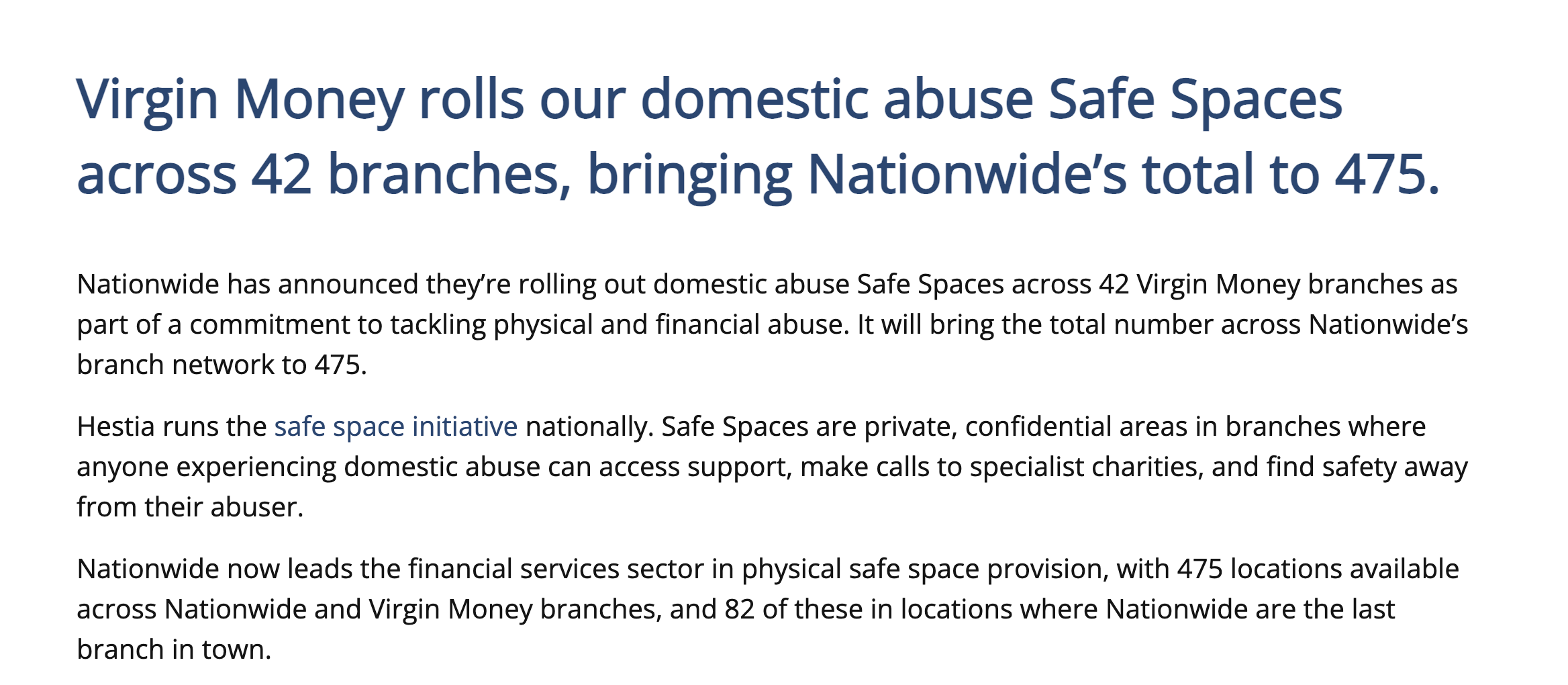
TSB repurposed its existing bank branches into safe rooms where domestic abuse victims can privately contact a helpline or support service.
The branch network was built for transactions. TSB pointed it at safety. The mechanism match with AXA is exact: existing physical infrastructure, redefined to serve an urgent human need. And it is spreading.
Through 2026 the UK "Safe Spaces" model expanded across the banking sector, with Nationwide and Virgin Money adding hundreds of participating branches, sourced to Hestia.
There’s an important nuance: TSB launched this in 2021, years before AXA, so the expansion runs parallel to AXA, not downstream of it. Two industries invented the same move independently.
2. BCP and Circus Grey, “SOS POS” (Peru, banking).
In Peru, more than 4,000 phones are stolen every day, and you cannot call your bank to freeze your account without your phone.
So BCP turned its merchant card terminals into emergency account-blocking points, more than 17,000 of them at launch. Walk into any shop, enter your ID and PIN on the POS device, and freeze your account in minutes.
The terminals were built to take payments. BCP pointed them at theft. SOS POS won the Creative Data Grand Prix at Cannes 2026, the first Grand Prix ever taken by a Peruvian bank.
3. Suncorp and Leo Australia, “Haven” (Australia, insurance).
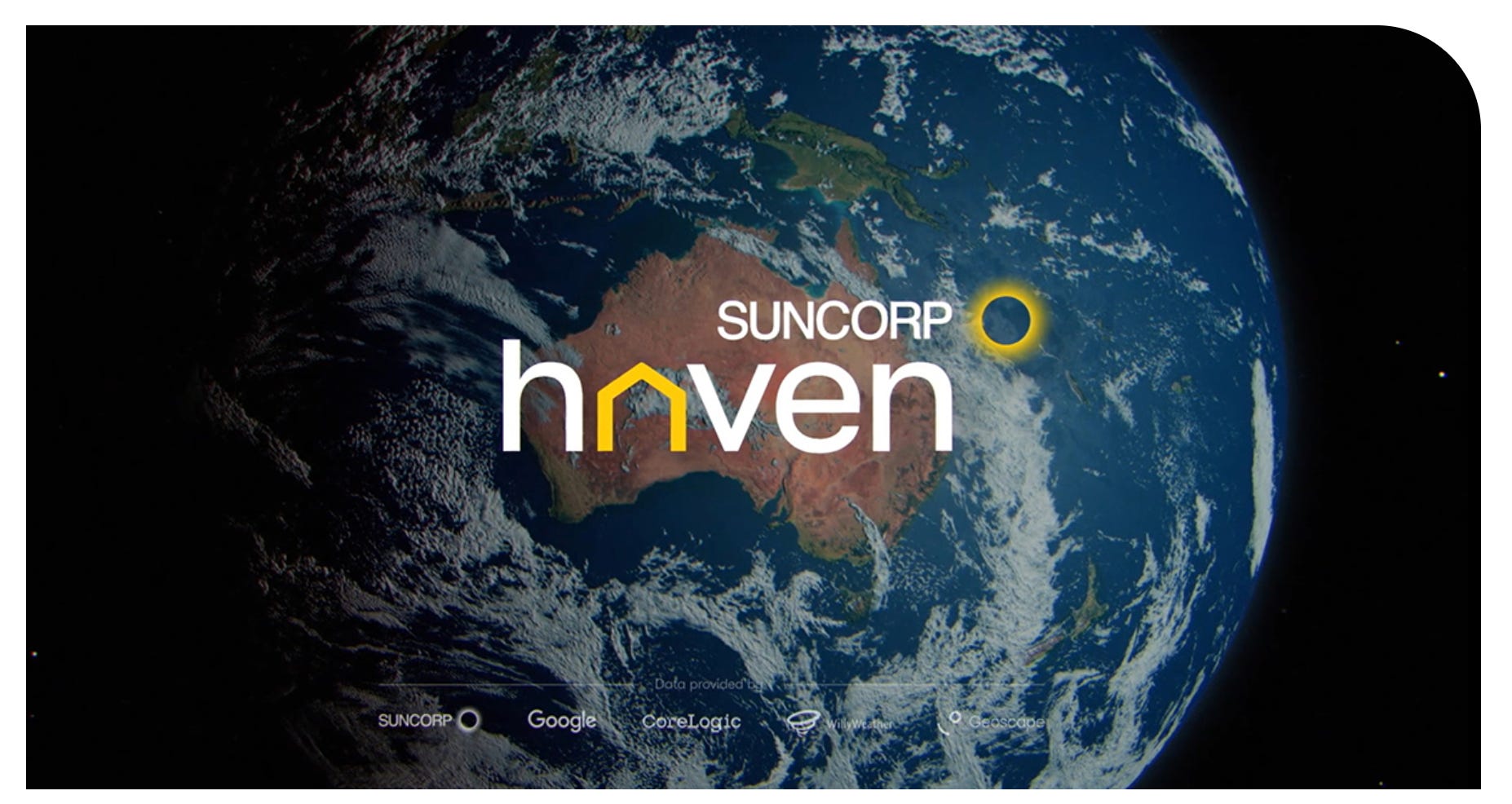
Image screenshot from AdWeek here
So Suncorp took its proprietary risk data and built Haven: type in your address, see your home’s specific extreme-weather risk, get resilience actions before the storm. The data was built to price policies.
Suncorp pointed it at prevention. It won the Dan Wieden Titanium Grand Prix, the same prize AXA took the year before.
Four brands. Banking, banking, insurance, insurance. Physical branches, payment terminals, contract clauses, and proprietary data. Different assets, identical move.
Each one took capacity built for one job and redefined it to solve a human emergency the category had been ignoring.
When 4 organizations in two industries land the same strategic move in the same award cycle, you are not looking at a fluke. You are looking at a genre forming.
One marketing pattern per week. Each issue breaks down what worked, why it spread, and what it means for the next 12 months. Free.
Why this pattern is surfacing everywhere right now
3 forces are converging to make the Infrastructure Pivot the move of the moment.
Paid media stopped paying. Mobile ad costs have climbed every year since 2020. The performance campaigns that printed money in 2018 barely break even now. Brands are hunting for advantage that does not live in the ad auction. An asset you already own, redeployed, costs you close to nothing in incremental spend and delivers a story money cannot buy.
Product parity got total. In insurance and banking, the products are functionally identical across competitors. Same coverage, same rates, same app. When the product cannot differentiate, differentiation has to come from what the product actually does for a human being in their worst moment. The Infrastructure Pivot manufactures difference out of sameness.
Trust now requires proof, not posture. Consumers have watched a decade of purpose-washing and they can smell a slogan. A costly, irreversible, operational commitment is one of the few signals left that a brand cannot fake. In a market drowning in claims, the brand that changes its contract instead of its copy stands out precisely because the change hurt to make.
There is a quieter force underneath these three. When you spend fifteen years sitting with people in hospital rooms, you learn that presence is what people remember, and presence is expensive. It costs you time, discomfort, and the willingness to stay when leaving would be easier. Brands are discovering the marketing version of the same truth. Showing up in someone’s catastrophe, with your actual machine and not a hashtag, is the most credible thing a company can do. The market is starting to price that in.
Where the same instinct turns into a face-plant
Where the same instinct turns into a face-plant
This pattern has a graveyard, and the headstones are instructive.
Starbucks, “Race Together” (2015).
Baristas were told to write “Race Together” on cups to spark conversations about race. It collapsed within days. The failure mode: the touchpoint was wrong for the relationship. A coffee cup and a rushed morning transaction carry no standing to open one of the hardest conversations in American life. There was no infrastructure behind it, only a marker and an instruction.
Pepsi, “Refresh Project.”
Pepsi redirected millions of Super Bowl dollars into a platform where the public voted on community grants. Real money, real grants, and still it faded. The failure mode: the purpose mechanism had nothing to do with why anyone buys a Pepsi. The cause and the product never connected, so the effort bought goodwill that never converted into a business result.
Amazon, “AmazonSmile.”
A slice of eligible purchases went to a charity of your choice.
Amazon shut it down in 2023. The failure mode: the benefit was spread so thin across so many transactions and so many charities that it never meant anything specific to anyone.
Diffuse good is forgettable good.
See the through-line.
Starbucks had no operational capacity behind the gesture.
Pepsi had capacity but pointed it at a need disconnected from the product.
Amazon had capacity and connection but diluted the impact into nothing. The Infrastructure Pivot fails the moment the commitment becomes cosmetic. A phone number, a hashtag, a one-time donation. The audience can tell the difference between a company that redeployed its machine and a company that rented a cause for a quarter.
The bar is “how real is the operational commitment behind it.” That is the whole game.
Is your business sitting on one of these?
Run your own operation through these questions before your competitor does.
What capacity do you already run at scale for its original purpose? Branches, fleets, terminals, data, a support line, a logistics network, a dispatch team.
What urgent, specific, data-verified human problem does that exact capacity already fit? Not a cause you admire.
A need your machine could serve tomorrow with a definitional change.
Could you make the new coverage default and retroactive, at no extra cost to the customer, instead of selling it as an add-on?
Can you get legal, finance, operations, and actuarial to sign off, not just marketing? Because that signature is the moat. If only marketing has to approve it, so can your competitor’s marketing team.
And the honest one. If a journalist called tomorrow and asked what your company actually delivers when this need shows up, would the answer be an operational capability or a slogan?
Sit with that last question before you build anything.
Hey! You have clients in different industries. Every one of them is waiting on you to tell them where their market is heading, and which move to make before their competitors make it.
That’s the job. Read the signal, name the pattern, hand them the play. Running that research by hand for every client and every trend is the slow part.
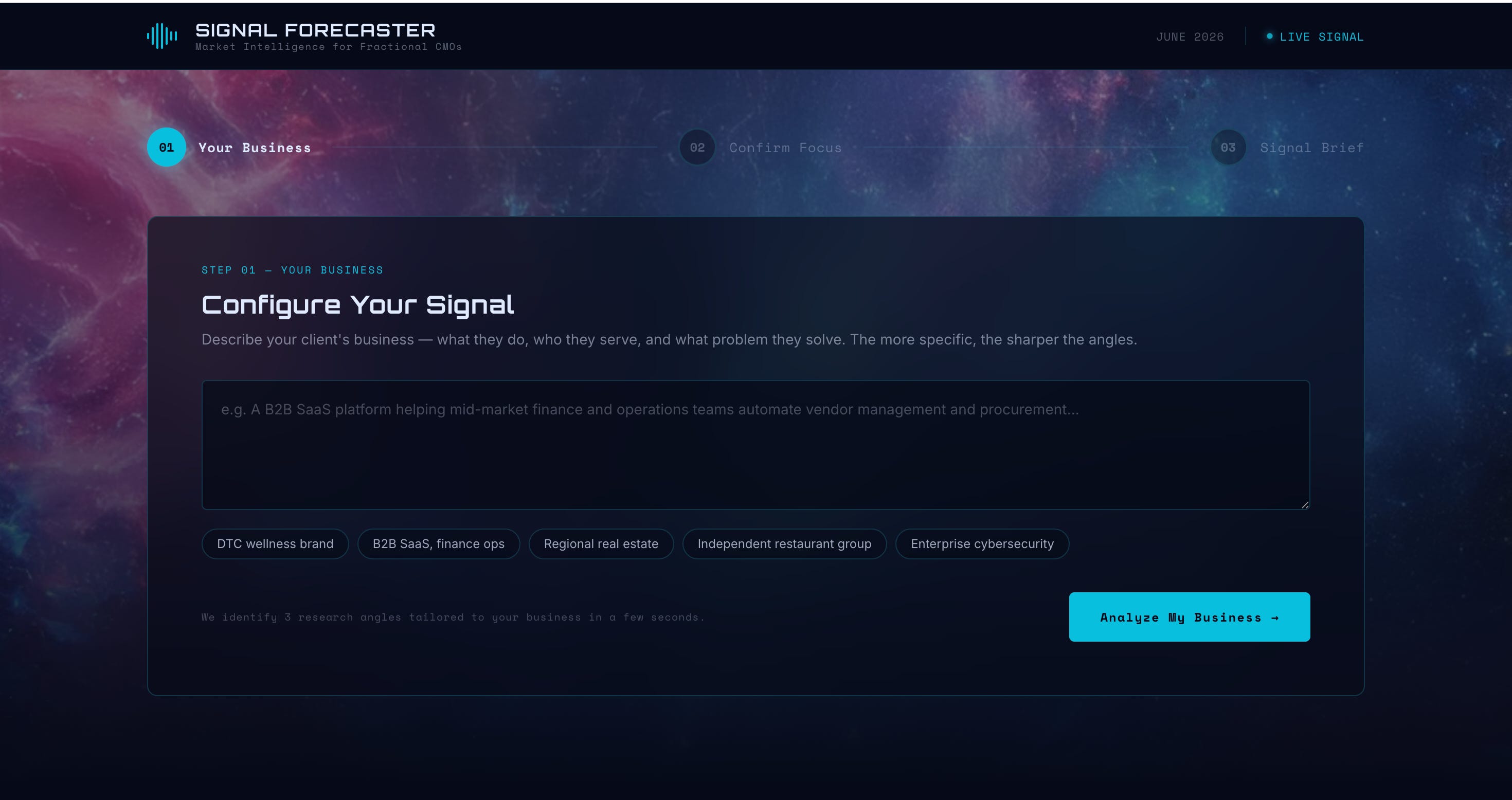
The Signal Forecaster does the research for you. Type any campaign or trend, and it searches the live web and returns a Signal Brief in about 30 seconds: the pattern name, a three-scenario Forward Hypothesis, and the recommended move. The same structure you just read, for any topic a client throws at you. You walk into the meeting already holding the answer.
I’m opening 5 pilot spots to fractional CMOs at no cost, in exchange for a 20-minute feedback call.
Matt’s take
The Rational Narrative: the case study every agency will pitch, and almost no client will be able to run
The Infrastructure Pivot is an emerging pattern crossing into growing. It has roughly 12 to 18 months before it becomes table stakes in insurance and banking. The bar for credit rises the whole way.
Here is the most likely outcome, I see.
Three signals point the same direction. AXA won the Effectiveness Grand Prix in 2026. BCP won Creative Data. Suncorp won Titanium. All three landed in one Cannes cycle, in two adjacent industries. The pattern is real, awarded, and durable. The barrier to copying it is operational, not creative. Cross-departmental sign-off from legal, actuarial, and finance is slow and hard. That is exactly why the case study will spread faster than the practice. Expect heavy citation and light replication over the next 6 to 12 months. Insurance and banking feel it first. That is where the sunk-cost infrastructure and the parity problem both live.
There is a second direction worth watching. It is not confirmed yet. A mainstream marketing voice could abstract this into a portable, named framework that CMOs apply on purpose. What would confirm it within 90 days is one creator with real reach. Above 100,000 followers. Publishing an Infrastructure Pivot teardown as a how-to.
One signal could change everything. A brand outside finance and insurance ships a credible version. Retail or telecom. The press frames it directly against AXA. Then the pattern graduates from genre to playbook. I am not calling that yet. The metric to watch is a named, cross-industry comparison in trade press, written to teach the mechanism.
Here is what would weaken this read. AXA resumes paid media behind the campaign in the next two quarters. The reputation asset call gets weaker. The growth engine story gets stronger. Watch AXA’s own ad spend. That is the real tell, above any trophy.
The Signal: the campaign keeps winning, and the company that made it went quiet
Here is what I did not expect to find.
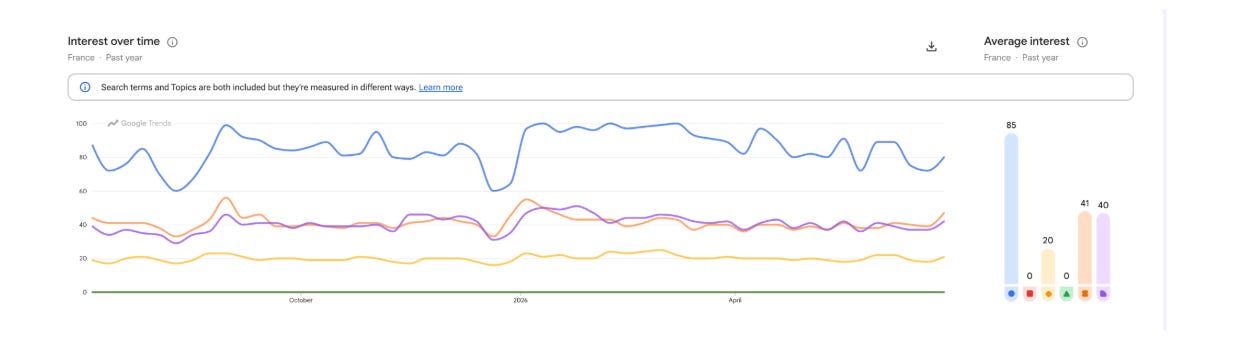
A campaign this decorated should be everywhere. Instead, outside the awards circuit, it is a ghost. Zero organic search demand for the campaign terms in France. Zero live paid social referencing it. Zero practitioner discussion on Reddit. No appearance in current insurance-marketing trend content. And yet AXA’s own YouTube uploads sit at 6.5 million and 3.1 million views, and the awards keep stacking into 2026.
Rational analysis says a winning campaign gets amplified. The data says the opposite. The sharpest piece of it: AXA’s own media budget has gone quiet behind a campaign that keeps winning trophies. A company that believed this was still driving new customers would keep buying media behind it. Sustained silence from the one budget that would know reads as an internal verdict. This is filed under reputation asset, not acquisition driver.
There is precedent for the gap. Award recognition and market relevance are two separate economies on two separate clocks. Juries, trade “best of” lists, and owned-channel views are all internal to an industry that judges itself. None of it requires a single customer outside that world to have noticed. The Tampon Book and This Girl Can both became widely cited years after their paid windows closed, taught long after they sold anything.
Be honest about what this complicates. It does not break the pattern. The Infrastructure Pivot is strategically sound. It does say the award momentum and the commercial momentum are not the same momentum, and confusing them is how a CMO buys the wrong thing.
The Keystone: do not sell your client the trophy when they came for the growth
Here is the thing a data analyst misses and a person who has sat with grief does not.
The Infrastructure Pivot works because it is a costly signal of care, and costly signals of care do two different jobs at once. They move people, and they move markets. But not always in the same quarter, and not always for the same budget owner. AXA proved the move is real. AXA also proved you can win every award for it and still, apparently, decline to keep paying to acquire customers with it.
So the play for a fractional CMO is a diagnosis before it is a strategy. When a client says they want “something like AXA,” find out which economy they are actually buying. Reputation and category authority is one purchase. New-customer acquisition is a different one. The same three-word move can serve either. It rarely serves both on the same timeline, and pretending otherwise is how good strategy gets blamed for missing a target it was never funded to hit.
Read the signal. Name the pattern. Then ask the client the question their leadership has not asked itself: which of the two do you actually want?
Before you go
That’s the Infrastructure Pivot.
A company found the machine it already owned, pointed it at a catastrophe the category had ignored, and changed a contract instead of running a campaign.
If this one landed for you, hit reply and tell me which asset in your own business you think is sitting idle. I read every response, and the best ones end up shaping future issues.
Thank you for reading. Have a good week. We’ll see you on the flip side.
Matt
P.S. The Signal Forecaster turns any campaign or trend into a full Signal Brief in about 30 seconds, so you can run this play for any client, on demand. I have 5 free pilot spots open for fractional CMOs, in exchange for a 20-minute feedback call. Request a pilot spot →